Inflammatory and carcinogenic effects of insect food in the human diet: an attack on the Mediterranean diet?
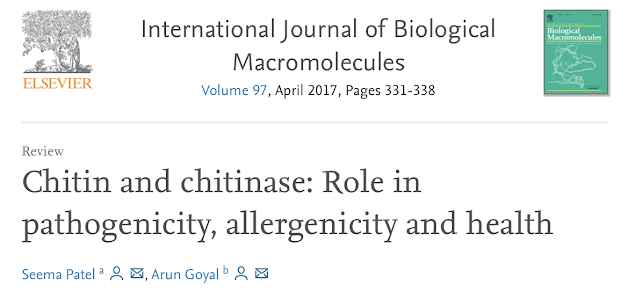
"The exogenous chitins and chitinases provoke human innate immunity to generate a deluge of inflammatory cytokines, which injure organs (leading to asthma, atopic dermatitis, etc.), and in persistent situations lead to death (multiple sclerosis, systemic lupus erythematosus (SLE), cancer, etc.)."
This is an excerpt from the cited article, which discusses the effect of exogenous chitin (i.e., introduced through the diet, for example) on the body. This chitin is found in insect-based novel foods promoted by political institutions that often tell us that wine and, in general, homemade foods are bad for us!

For this author, instead, Chitin in edible insects acts as a potent prebiotic, supporting gut health and selectively promoting beneficial bacteria.
But let's do a little analysis.
1- Toxic potential:
In addition to the aforementioned chitin, we can consider tannins, which form insoluble complexes with proteins and reduce their bioavailability. Phytates and oxalates, chelating agents that reduce the absorption of mineral elements such as calcium, zinc, manganese, iron, and magnesium, saponins, on the other hand, interfere with the digestion of proteins and reduce the absorption of vitamins and minerals.
Some insects can cause thiamine (vitamin B1) deficiency.
In addition to the aforementioned chitin, we can consider tannins, which form insoluble complexes with proteins and reduce their bioavailability. Phytates and oxalates, chelating agents that reduce the absorption of mineral elements such as calcium, zinc, manganese, iron, and magnesium, saponins, on the other hand, interfere with the digestion of proteins and reduce the absorption of vitamins and minerals.
Some insects can cause thiamine (vitamin B1) deficiency.
There are two categories of toxic insects: phanerotoxic and cryptotoxic. Those in the first group have specialized organs that synthesize and store toxins. Even though the toxins are supposed to be inactivated in the gastrointestinal tract, I don't see why I should eat them!
Cryptotoxic insects contain toxic substances if ingested. Examples of insects to avoid are those that contain steroid hormones, such as testosterone, found in some beetles. Continued consumption of these insects can cause growth retardation, hypofertility, masculinization in females, edema, jaundice, and liver cancer.
Other substances that can be found in cryptotoxic insects are cyanogenic glycosides (present in some butterflies), which inhibit some vital enzymes, or toluene, a toxic agent that affects the brain, liver, and kidneys.
Cryptotoxic insects contain toxic substances if ingested. Examples of insects to avoid are those that contain steroid hormones, such as testosterone, found in some beetles. Continued consumption of these insects can cause growth retardation, hypofertility, masculinization in females, edema, jaundice, and liver cancer.
Other substances that can be found in cryptotoxic insects are cyanogenic glycosides (present in some butterflies), which inhibit some vital enzymes, or toluene, a toxic agent that affects the brain, liver, and kidneys.
Why should I have to eat insects?
2- Insects may contain pathogens:
According to EFSA (European Food Safety Authority) publications from October 2015 (vol. 13 issue 10), insects can be contaminated with pathogenic bacteria (such as Salmonella, Campylobacter, Escherichia coli, and Bacillus cereus), especially insects that have been produced under certain conditions (for example, when waste is used as a substrate). Although correct cooking can eliminate, or at least substantially reduce, the presence of pathogenic microorganisms, the question is always the same: Why should I have to eat insects?
According to EFSA (European Food Safety Authority) publications from October 2015 (vol. 13 issue 10), insects can be contaminated with pathogenic bacteria (such as Salmonella, Campylobacter, Escherichia coli, and Bacillus cereus), especially insects that have been produced under certain conditions (for example, when waste is used as a substrate). Although correct cooking can eliminate, or at least substantially reduce, the presence of pathogenic microorganisms, the question is always the same: Why should I have to eat insects?
3- Hosts of parasites:
Some insects also serve as intermediate hosts for some parasites. For example, human infestations by (Gongylonema pulchrum) with numerous definitive hosts have been described; intermediate hosts are dung beetles and cockroaches. Infestation in humans causes a clinical picture with gastrointestinal symptoms.
Why should I have to eat insects?
4- Chemical Contamination:
The presence of chemical contamination is one of the major dangers associated with the consumption of insects, mainly wild ones.
Why should I have to eat insects?
The presence of chemical contamination is one of the major dangers associated with the consumption of insects, mainly wild ones.
Why should I have to eat insects?
References:
- - El consumo de insectos también tiene riesgos para la salud: hace falta más investigación
-Chitin and chitinase: Role in pathogenicity, allergenicity, and health

Comments
Post a Comment
Ciao, lascia un commento. Ti risponderò presto